
Somali Localisation & Cultural Consulting
Native Somali cultural consulting for the established Somali-speaking communities of Melbourne and the wider Pacific region. We bring dialectal insight and community protocol to any localisation.
Native Insight & Structural Depth
Our native linguists gauge the speech levels shaping family enterprise and civic association across Oceania. They hear the gap between the measured words of an elder and the quick idiom of the market, the subtleties respected by the Odayaasha (elders) and the decision-makers beside them.
Because formal address inside a shir (assembly) differs sharply from home idiom, any note we prepare fits its setting. A governance document for community leaders takes one voicing. Public text for younger diaspora audiences takes another.
Within clan etiquette, courtesy decides how names and honorific titles are selected. A greeting can affirm or slight a lineage in one word, its abtirsiin (genealogical recitation) understood by all present.
Protecting the cultural integrity underpinning lasting trust falls to trained specialists, not to automated tools. Our people speak the language as a first tongue and know the culture as lived experience.
Dialectal Range & Acoustic Depth
Somali divides broadly into Af-Maxaa, the northern base of the written standard, and Af-Maay, spoken among the Digil and Mirifle communities of the south. The two differ in core vocabulary and grammar, far apart enough that speakers miss one another. A piece pitched for one wins little authority with the other.
Along the Benadiri coast, the Reer Xamar of old Mogadishu keep a separate idiom of Persian and Arabic loans. Their speech, softened by centuries of Indian Ocean trade, bears a lilt unlike the interior.
A pitch accent threads through the language. A change in tone can part masculine from feminine or one referent from many, a split lost on the untrained ear. The accent rides above the consonants, left unmarked in ordinary spelling.
Written c and x in the Latin orthography, the pharyngeal pair gives Somali its depth, alongside a retroflex dh unfamiliar to many European ears. The sound inventory counts past twenty consonants and a lean set of vowels paired for length. Setting it in type takes the full apparatus adopted in 1972.
Script & Orthography
Somali arrived in print comparatively late, its wealth kept for centuries in memory down the generations. Religious scholars wrote it earlier in Arabic letters, a practice called Wadaad writing. That older habit still surfaces in devotional and legal texts.
In the 1920s, Cismaan Yuusuf Keenadiid devised the Osmanya alphabet, known as Far Soomaali, a fully native script for the language. Rival systems came after, among them the Borama hand of the Gadabuursi. None won the state backing needed for wide adoption.
The Latin orthography fixed the question in October 1972, chosen by the governing council after long debate over its written form. A national campaign took letters into the countryside within a year. Somali crossed almost overnight from an oral standard to a written one.
Grounded in that reform, our typesetting keeps to the official spelling with no improvisation. We hold the pharyngeal letters and the doubled vowels true, since a dropped mark can turn one word into another. Older Osmanya or Arabic versions we handle on request for heritage material.
Reference Nomenclature & Defined Terms
Somali social life rests on xeer, the customary law binding kin groups through negotiated obligation. Under it, a wrong finds its answer in compensation between lineages, resolved at the group level.
Among kin, three terms fix a person’s place. Qabiil names the clan itself, while reer marks the family unit or lineage segment beneath it. Tol names the patrilineal bond of shared blood.
Community authority flows through the shir, the open assembly for decision, together with the guddi tasked to enact its decisions. Grave disputes go to a council of elders in judgement under the tree of gar. Titles of leadership vary by region, from the suldaan of one confederation to the garaad or ugaas of another.
For the communities abroad, two terms recur across our notes. Qurbajoogta names the diaspora itself. Hay’adaha Bulshada names the institutions built to sustain it.
Oral Tradition & Poetic Craft
Somalis have long won the name of a nation of poets, their public life shaped by verse as much as by prose. A gabay of many lines can argue a case or seal a reputation. The finest lines go by memory from one reciter to the next.
Among the meters, alliteration called higgaad binds all lines of a poem to one chosen consonant. The gabay lends weight and reflection, while the geeraar sounds short and martial. Women keep their own form in the buraanbur, with a rhythm all its own.
Maanso, the composed form, ties to its author and its faithful wording. Song, hees, flows more freely and bends to the singer.
Drawing on this heritage, we pitch marketing and public text at a level the audience knows. A proverb well placed opens an ear closed to plain instruction.
Business Networks & Community Institutions
We counsel organisations engaging Somali business associations and the Hay’adaha Bulshada (community institutions) behind them. Sound guidance on naming and protocol-sensitive contact helps an enterprise gauge the subtle order of business and commerce. Introductions commonly go through a respected intermediary.
Past a literal version, governance documents ask for cultural fit. Our localisation of constitutions and by-laws matches commercial aim to local expectation. Terms with no tidy Somali equivalent we gloss with a note.
Established Somali trade and remittance networks in Sydney rest on old relationships. Much community finance still flows through hawala, the trust-based transfer system going back generations.
Choosing a brand name poorly, or approaching at the wrong moment, can cost an opening built over years. Halal standards and community sensitivity shape how a product is named and framed.
Diaspora Engagement & Cultural Intelligence
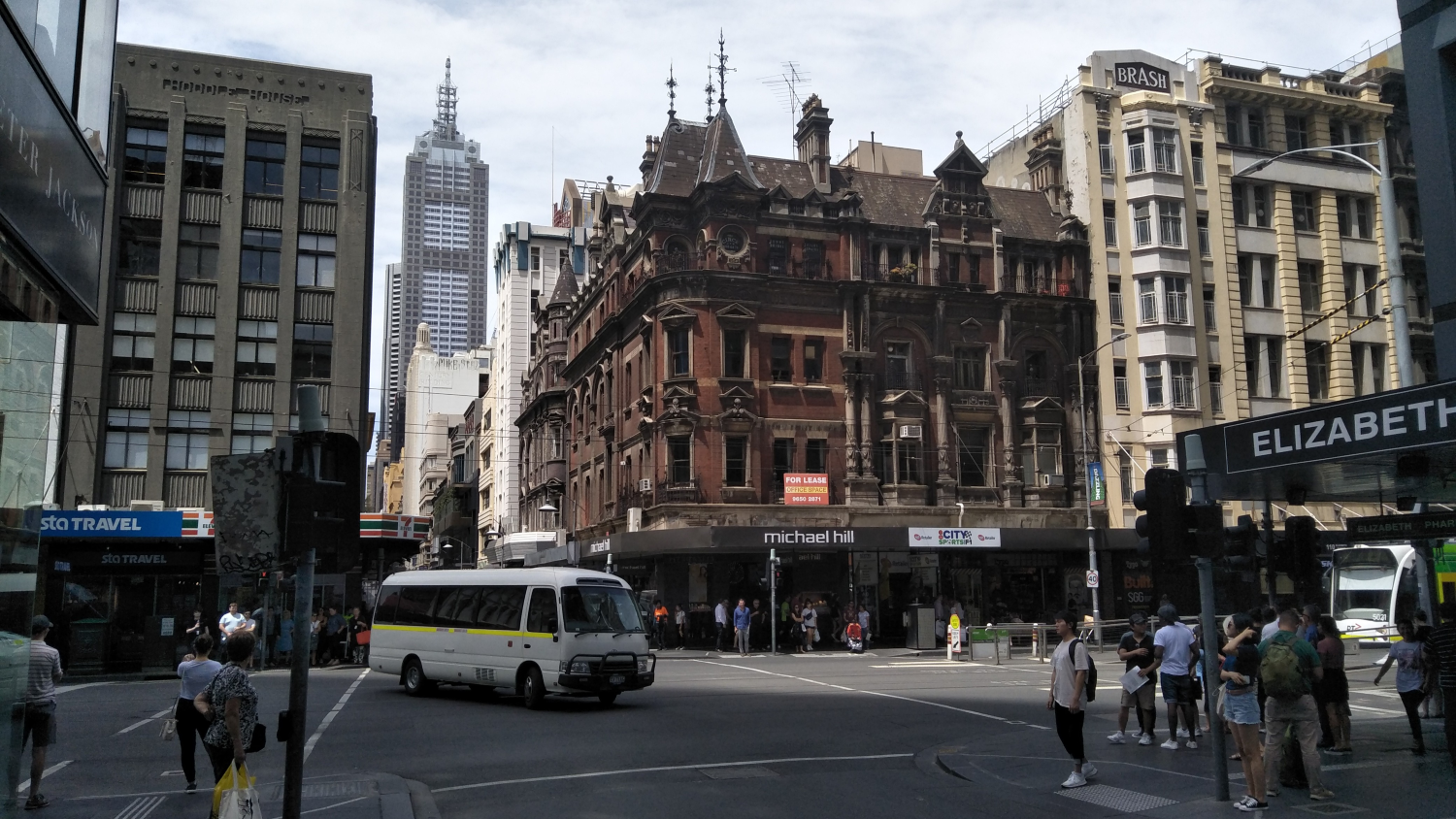
Melbourne counts one of the largest Somali populations in Australia, spread over the city’s north and west. Daily life there centres on the mosque and the family association, bound together by a close web of small enterprise.
Ranging across cultural events and digital platforms, we shape culturally calibrated content for younger diaspora audiences. Those audiences slip easily between Somali and English, at times within one sentence. The bilingual habit marks the Somali families of Auckland across the Tasman too.
Below the words themselves lies what a Somali audience leaves unsaid. Our advisers coach clients on the courtesies of Ramadan and the weight a proper greeting bears ahead of any exchange. Gender norms and the rank of elders inform how a room is addressed.
Inside Somali networks, contact rewards a patient hand from first approach to lasting partnership. Word of a good dealing spreads fast through a closely tied population.
Secure & Confidential Localisation
All projects proceed under strict confidentiality, with encrypted handling and the option of a signed non-disclosure agreement. Access narrows to the linguists assigned to the project. The client sets the terms ahead of any handover.
Throughout the project, senior owners keep full oversight of who views a document and when. Version records track all changes back to their author. Nothing leaves the agreed circle without written consent.
We keep linguistic and cultural fidelity at the highest level, giving the clarity that legal and government structures ask for. Certified versions satisfy the evidentiary standard of courts and tribunals. Formatting matches the receiving authority to the letter.
Kept within a controlled environment from receipt to delivery, confidential material never leaves our custody. Secure transfer and clean deletion close out an engagement on schedule. Records are retained only as the client instructs.
Durable Grounding & Applied Custom
To ground an engagement in something durable, we tie Somali cultural localisation to the bodies outlasting any lone programme. Treaty and long custom set our terms of reference, well apart from the news of the week.
Aiding communities shaped by decades of migration, our consultants draw on the fixed patterns of immigration and labour mobility, the very currents shaping our Farsi localisation. Refugee resettlement and family reunion frame much of the need in Oceania.
Our counsel rests on statute and long-established trade custom, whether the matter touches business and commerce or legal and government. A term is fixed against statute and precedent in either field.
Voice & Dialect Recording
In recorded Somali, meaning lives in sound as much as in script. Our voice recording pairs talent to the true voicing a piece wants, from the northern standard of broadcast to the Benadiri lilt of the coast. Age and gender of the voice we pick to fit the audience.
Authority projects turn on dialect chains, casting one script into Af-Maxaa and Af-Maay versions, giving audiences on either side of the divide their own speech. One session can yield the pair without a second studio booking. Direction rests in native hands throughout.
Tokenising character voices lets a narrator hold several roles inside one recording, its voices kept apart by tone and pacing. The method suits drama and instructional audio alike. Listeners track the cast without losing the thread.
Somali voice direction rewards an ear trained from inside the language. Our directors weigh stress and pause against the meaning of a line. Full detail on talent and studio direction lives on our voice recording page.
Partner with Huri on Somali
Engage Huri Translations for Somali cultural localisation for the communities of Melbourne and the wider Pacific.

Huri Translations
Tel. +689 89 205 483
[email protected]
PO BOX 365 Maharepa
98728 Mo'orea
French Polynesia
N°TAHITI 876649


Social


